

The following information is from Dr. Diana Boon, Director of Conservation Medicine at the International Crane Foundation.
Due to the immediate threat
of Highly Pathogenic Avian Influenza (HPAI), the International Crane Foundation recommends
using extreme caution around sick or deceased wildlife, especially birds and cranes. Avian Influenza Updates & Resources
HPAI is a highly infectious disease of birds caused by type A strains of influenza virus. HPAI viruses can severely affect domestic and captive animals, wildlife, and are a potentially deadly risk to human health. Avian influenza mainly occurs in birds and is spread naturally by wild birds. A second strain is spread through poultry. A third type is affecting dairy cattle and is related to bird strains. All these strains are also being detected in wild mammals and mammals living on dairy farms.
Animal carcasses could be infected with HPAI and if not disposed of properly, HPAI can be transmitted from the deceased animal to humans, where it could spread to other family members or other animals.
“However, improper handling or disposal can lead to further spread of the disease. Only experienced professionals wearing Professional Protective Equipment should be involved in the removal of deceased birds or other wildlife that may have been exposed to HPAI.” Visit ICF HPAI resource page for ongoing updates.
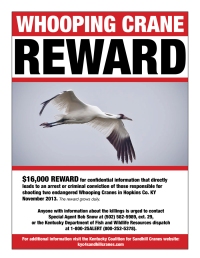




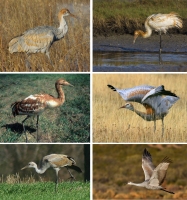
 KY Coalition for Sandhill Cranes